
Imperial International School For Excellence features a spacious, safe, and well-ventilated campus
designed to nurture joyful learning, student comfort, and holistic development. The meticulously
designed school building provides a secure, child-centric, and academically enriching environment
that supports experiential learning, physical well-being, and emotional growth. Built in accordance
with modern educational standards, the infrastructure aligns with CBSE norms and the vision of
NEP 2020, creating a positive, inclusive, and future-ready learning ecosystem.
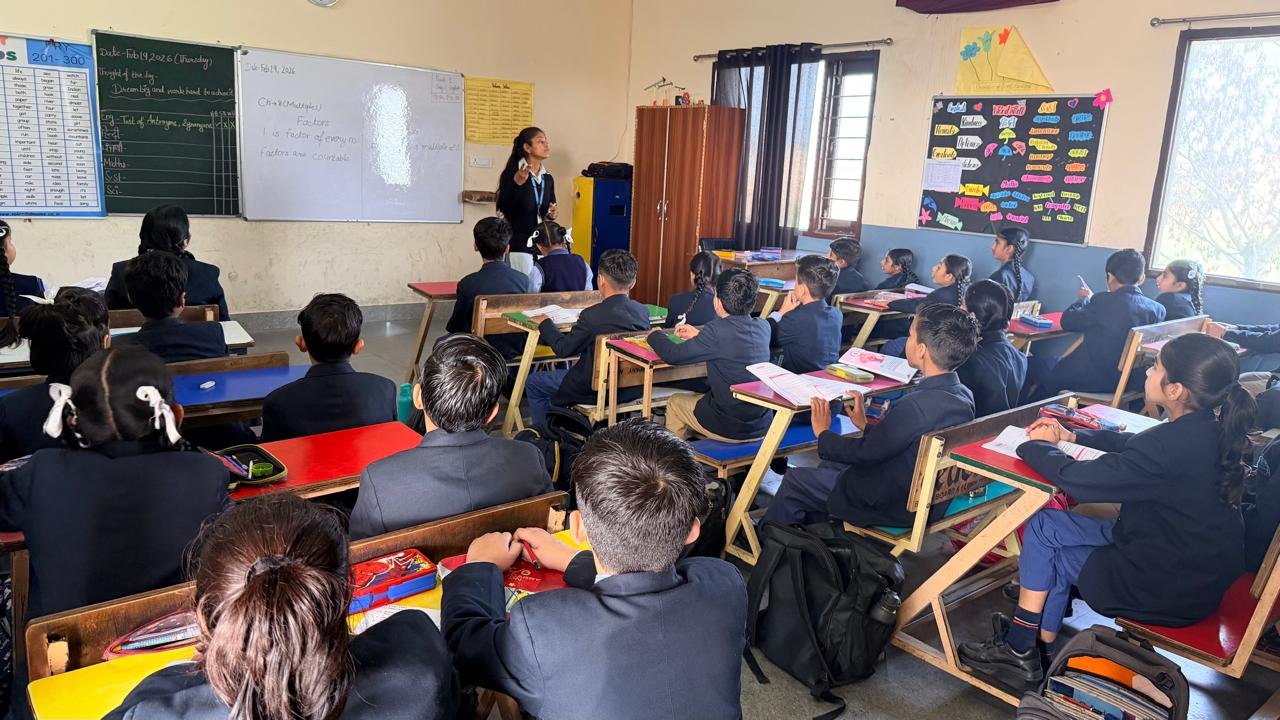
The school offers fully air-conditioned smart classrooms designed to meet and exceed CBSE
infrastructure norms, providing a safe, comfortable, and student-centric learning environment.
Each classroom is equipped with state-of-the-art 75-inch interactive panels/advanced digital
projectors that enhance visual engagement, improve conceptual clarity, and support multi-
sensory learning across all subjects. The integration of modern educational technology
ensures that teaching–learning processes are dynamic, interactive, and aligned with
contemporary pedagogical standards.
These technology-enabled classrooms facilitate blended learning models by seamlessly
integrating digital resources with traditional classroom instruction. Teachers effectively use
multimedia content, simulations, presentations, and real-time assessments to make learning
engaging and meaningful. The smart classroom setup supports inclusive education by catering
to diverse learning styles and abilities, thereby promoting equal learning opportunities for all
students.
LMS-integrated instruction forms a core component of the school’s academic framework. The
Learning Management System enables systematic lesson planning, structured digital content
delivery, continuous assessment, and comprehensive academic monitoring. Teachers utilize
the LMS to align classroom instruction with CBSE curriculum frameworks, prescribed learning
outcomes, and competency-based education guidelines. This digital system ensures
transparency in academic processes, consistency in instructional delivery, and measurable
academic progress for every learner.
The digital classroom ecosystem actively promotes experiential learning, activity-based
pedagogy, inquiry-driven instruction, and the development of higher-order thinking skills.
Interactive teaching tools encourage student participation, collaboration, problem-solving, and
critical thinking, thereby strengthening conceptual understanding and facilitating real-world
application of knowledge. The smart classroom environment also supports differentiatedinstruction, allowing teachers to address varying learning needs, learning paces, and academic
abilities effectively.
All facilities and pedagogical practices are developed in accordance with the vision, objectives,
and academic reforms prescribed under the National Education Policy (NEP) 2020. The
infrastructure reflects the school’s strong commitment to quality education, inclusivity, digital
literacy, and future-ready skill development. By integrating technology with sound pedagogy,
the school ensures a secure, engaging, and progressive learning environment that prepares
students for academic excellence, responsible citizenship, and lifelong learning in an
increasingly digital and globalized world.
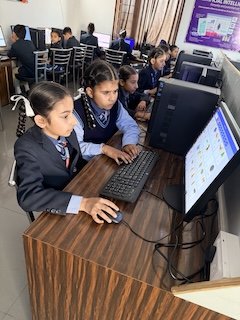
The school has a well-equipped Advanced Computer Lab designed to support digital literacy,
computational thinking, and responsible technology use among students. The laboratory is
equipped with high-speed computers, ensuring a one-computer-per-student ratio that allows
every learner to gain hands-on experience during practical sessions. All systems are installed
with the latest Windows 10/11 operating software and are supported by fast, reliable internet
connectivity to ensure smooth and uninterrupted learning.
The Computer Lab provides a structured and guided environment where students are
introduced to age-appropriate digital skills, basic coding concepts, and practical applications of
information and communication technology (ICT). Through regular hands-on activities, students
develop essential skills such as typing proficiency, document creation, presentations, data
handling, and safe internet navigation. The learning environment encourages curiosity, logical
thinking, and problem-solving while building a strong foundation for advanced digital learning in
higher classes.
Aligned with CBSE curriculum guidelines, the Computer Lab supports competency-based
education by integrating technology into classroom learning. Students are exposed to basic
programming, logical sequencing, and algorithmic thinking through interactive software and
guided instruction. The facility also supports interdisciplinary learning by enabling the use of
digital tools for research, projects, presentations, and collaborative tasks across subjects.
Special emphasis is placed on cyber safety and responsible digital behavior. Students are
sensitized to ethical technology use, data privacy, online safety, and digital citizenship under
teacher supervision. This structured approach ensures that learners develop a healthy,
informed, and responsible relationship with technology from an early age.
The Computer Lab also supports blended learning models by providing access to educational
platforms, digital content, and learning management systems used for assignments,
assessments, and academic enrichment. Teachers use the facility to reinforce concepts taught
in classrooms, conduct skill-based activities, and assess students’ digital competencies.
Established in compliance with CBSE infrastructure norms to promote digital literacy and
future-ready competencies envisioned under NEP 2020, the Advanced Computer Lab reflects
the school’s commitment to quality education, digital empowerment, and future-ready skill
development. By providing equitable access to technology and guided digital learning
experiences, the school ensures that students are well-prepared to thrive in an increasingly
technology-driven world.
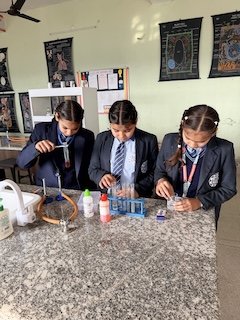
The school has a well-equipped integrated composite science laboratory designed to support
hands-on learning in Physics, Chemistry, and Biology in accordance with CBSE curriculum
requirements. The laboratory provides a structured and safe environment where students
actively engage in practical work, experimentation, and observation, thereby strengthening
conceptual understanding and scientific temper.
The composite science lab is furnished with adequate apparatus, specimens, models, charts,
and laboratory equipment required for conducting experiments across all three science
disciplines. Students perform experiments under the guidance and supervision of trained
teachers, ensuring adherence to prescribed safety norms and standard operating procedures.
This practical exposure enables learners to connect theoretical concepts taught in classrooms
with real-world scientific applications.
The laboratory is specifically designed to promote inquiry-based learning by encouraging
students to ask questions, formulate hypotheses, conduct experiments, record observations,
and draw conclusions. Through structured practical activities, students develop essential
scientific skills such as observation, measurement, data analysis, and logical reasoning. The
learning environment fosters curiosity, critical thinking, and problem-solving abilities, which are
integral to science education.
Aligned with CBSE’s competency-based education framework, the integrated science lab
supports experiential and activity-based learning approaches. Students participate in
experiments, demonstrations, and group activities that enhance collaborative learning and
improve communication skills. The lab also supports interdisciplinary learning by integrating
concepts from Physics, Chemistry, and Biology, thereby providing a holistic understanding of
scientific phenomena.
Special emphasis is placed on laboratory safety, hygiene, and responsible handling of scientific
equipment and chemicals. Safety guidelines are clearly displayed, and first-aid facilities are
accessible within the laboratory. Students are trained in safe laboratory practices, promoting
discipline, responsibility, and ethical conduct during practical sessions.
Developed in accordance with CBSE infrastructure norms and aligned with the objectives of
the National Education Policy (NEP) 2020, the integrated science laboratory reflects the
school’s commitment to quality science education and experiential learning. By providing
meaningful hands-on experiences and inquiry-driven learning opportunities, the lab nurtures
scientific curiosity, analytical thinking, and a spirit of exploration, preparing students for higher
studies, scientific pursuits, and informed participation in a knowledge-driven society.
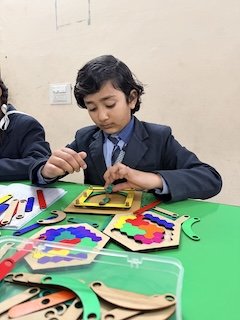
The school has an interactive Mathematics Lab designed to promote conceptual clarity, logical
reasoning, and analytical thinking through hands-on activities and real-life problem-solving
approaches. The lab provides a dynamic learning environment where students explore
mathematical concepts beyond textbooks, enabling deeper understanding and long-term
retention of learning.
The Mathematics Lab is equipped with a wide range of teaching aids, models, charts,
manipulatives, and activity-based learning materials aligned with the CBSE curriculum. These
resources help students visualize abstract mathematical concepts such as numbers, geometry,
algebra, and data handling. Through structured activities, learners are encouraged to discover
patterns, understand relationships, and apply mathematical principles in practical situations.
The lab supports experiential and competency-based learning by engaging students in
individual and group activities that promote active participation. Students solve real-life
problems, conduct mathematical experiments, and participate in hands-on tasks that
strengthen problem-solving, reasoning, and decision-making skills. This approach enhances
confidence and reduces math anxiety by making learning enjoyable and meaningful.
Aligned with CBSE learning outcomes and assessment guidelines, the Mathematics Lab
encourages inquiry-based learning and critical thinking. Students are guided to analyze
problems, formulate strategies, test solutions, and justify their reasoning. Collaborative
activities promote communication skills, teamwork, and peer learning, reinforcing key
mathematical concepts through discussion and reflection.
The Mathematics Lab also supports interdisciplinary learning by connecting mathematical
concepts with science, social science, economics, and everyday life situations. This integration
helps students recognize the relevance of mathematics in real-world contexts and develop
practical application skills essential for higher education and competitive examinations.
Developed as per CBSE guidelines to nurture conceptual understanding, logical reasoning,
and competency-based learning aligned with NEP 2020, the Mathematics Lab reflects the
school’s commitment to quality education, experiential learning, and holistic development. By
fostering conceptual clarity, logical thinking, and problem-solving abilities, the lab prepares
students to approach mathematical challenges with confidence and competence in academic
and real-life scenarios.

The school has a resource-enriched Social Science Lab designed to support effective teaching
and learning of History, Geography, Political Science, and Economics in alignment with the
CBSE curriculum. The lab provides an interactive and structured learning environment where
students engage with concepts through visual, spatial, and analytical tools, enhancing
understanding and retention.
The Social Science Lab is equipped with a wide range of maps, globes, charts, models,
timelines, atlases, and reference materials that support the teaching of historical events,
geographical features, political systems and economic concepts. These resources help
students visualize abstract ideas, understand spatial relationships, and develop a chronological
and analytical perspective on social and civic issues. Digital teaching aids and multimedia
resources further enhance classroom instruction by making learning engaging and contextual.
The lab promotes experiential and activity-based learning by encouraging students to
participate in map work, model-based activities, data interpretation, debates, role plays, and
project-based tasks. Such activities foster critical thinking, inquiry, and problem-solving skills
while enabling students to connect textbook knowledge with real-world situations. The learning
environment supports collaborative learning and effective communication through group
discussions and interactive tasks.
Aligned with CBSE learning outcomes and competency-based education guidelines, the Social
Science Lab supports interdisciplinary and inquiry-driven learning. Students are guided to
analyze sources, interpret data, understand cause-and-effect relationships, and develop
informed opinions on social, political, and economic issues. The lab also supports the
development of civic sense, constitutional values, and awareness of local, national, and global
perspectives.
Special emphasis is placed on the use of digital tools to enhance research skills, presentation
abilities, and information literacy. Students learn to use maps, charts, and digital resources
responsibly under teacher supervision, ensuring ethical and effective use of information.
Structured in line with CBSE infrastructure requirements to support experiential,
interdisciplinary learning and constitutional values highlighted in NEP 2020, the Social Science
Lab reflects the school’s commitment to quality education, experiential learning, and holistic
development. By integrating traditional resources with digital aids, the lab nurtures informed,
responsible, and critically aware learners prepared for academic success and active
citizenship.
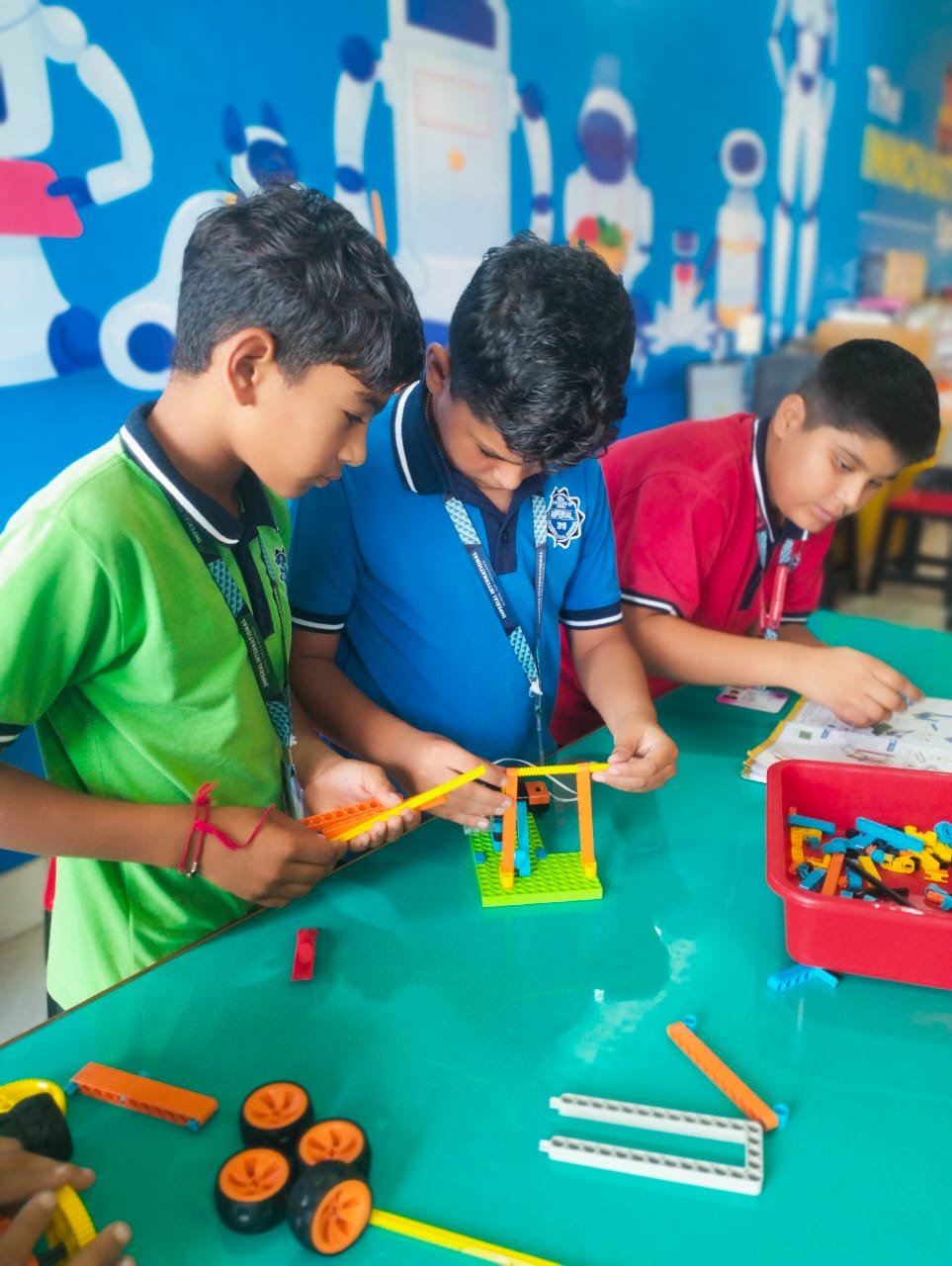
The school has a dedicated Robotics and Artificial Intelligence (AI) Lab designed to promote
innovation, critical thinking, and foundational coding skills as part of future-ready education.
The lab provides students with structured exposure to emerging technologies, enabling them to
understand the basics of robotics, automation, artificial intelligence, and computational thinking
from an early stage.
The Robotics and AI Lab is equipped with age-appropriate robotics kits, programmable
devices, sensors, controllers, and digital learning tools that support hands-on, experiential
learning. Students engage in guided activities such as assembling models, writing simple code,
testing algorithms, and solving real-world problems through logical sequencing and design
thinking. These activities help learners develop creativity, analytical skills, and problem-solving
abilities in a practical and engaging manner.
The lab is conducted under the guidance of a B.Tech-qualified Robotics Engineer, ensuring
technically sound instruction, safe practices, and systematic skill development. Expert
supervision enables students to gain accurate conceptual understanding of coding basics,
robotics mechanisms, and AI concepts while fostering curiosity and innovation. The presence
of a qualified professional ensures alignment with academic standards and effective
implementation of technology-based learning.
Aligned with CBSE competency-based education guidelines, the Robotics and AI Lab supports
interdisciplinary learning by integrating concepts from Mathematics, Science, and Computer
Studies. Students learn to apply theoretical knowledge to practical tasks, enhancing higher-
order thinking skills such as analysis, evaluation, and creativity. Collaborative projects
encourage teamwork, communication, and peer learning, preparing students for future
academic and professional challenges.
The lab also promotes responsible and ethical use of technology. Students are guided to
understand the societal impact of artificial intelligence, automation, and digital innovation,
fostering awareness, digital citizenship, and responsible technology use.
Designed in accordance with CBSE norms to nurture innovation, computational thinking, and
future skills central to the NEP 2020 framework, the Robotics and AI Lab reflects the school’s
commitment to innovation-driven, skill-oriented education. By nurturing foundational coding
skills, logical reasoning, and technological literacy, the lab prepares students to adapt
confidently to a rapidly evolving digital world and pursue future pathways in science,
technology, engineering, and innovation.
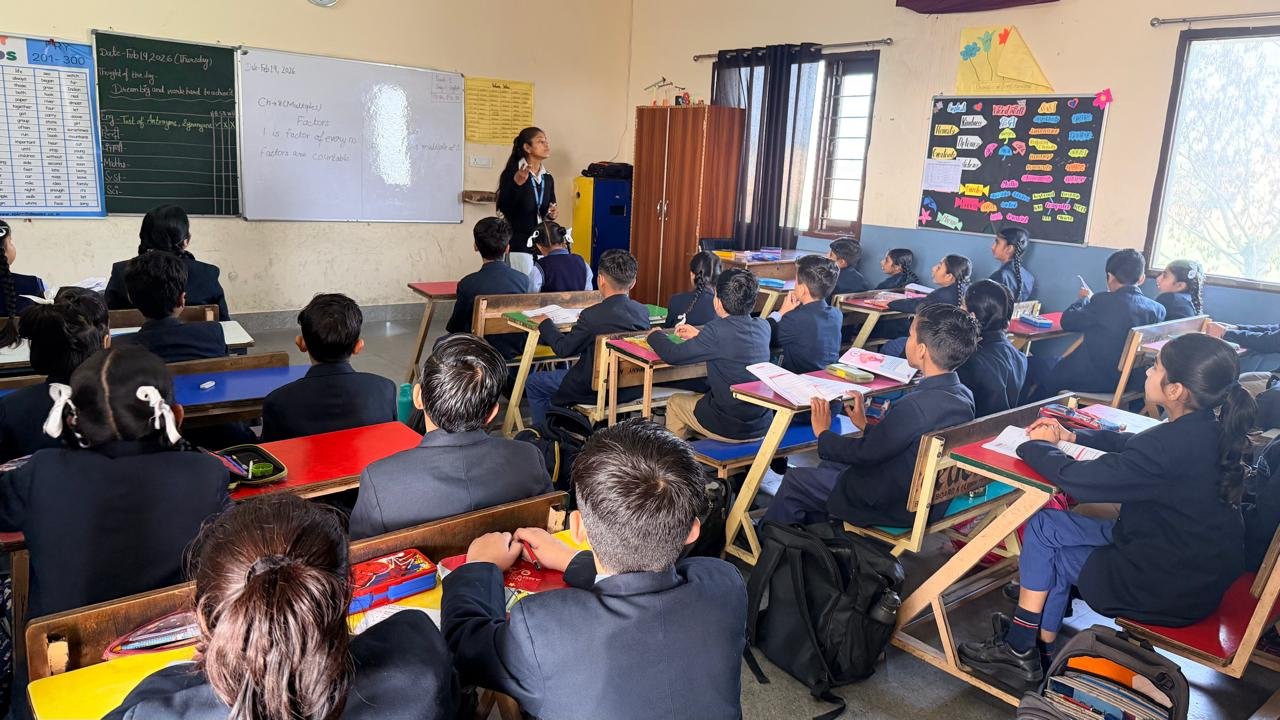
The school has a well-stocked library designed to support academic excellence, independent
learning, and the development of a strong reading culture among students. The library houses
a wide range of academic textbooks, reference books, encyclopedias, periodicals, magazines,
newspapers, and recreational reading materials aligned with the CBSE curriculum and
prescribed learning outcomes. The collection is age-appropriate and caters to the diverse
reading needs of students across all classes.
The library serves as an essential learning resource that encourages reading for knowledge,
pleasure, and lifelong learning. Students are guided to explore literature, subject-specific
references, and general knowledge materials that enhance comprehension, vocabulary, and
critical thinking skills. The library environment promotes quiet study, research, and reflection,
supporting both curricular and co-curricular learning.
In addition to physical resources, the library is supported by an e-library system that provides
access to digital books, online reference materials, educational databases, and curated
learning resources. The e-library enables students and teachers to access information beyond
classroom hours, supporting blended learning and independent research. Digital resources are
used under teacher guidance to ensure responsible and ethical use of information technology.
Aligned with CBSE guidelines and competency-based education practices, the library supports
project work, research-based learning, and interdisciplinary studies. Students learn to locate,
evaluate, and use information effectively, thereby developing information literacy and research
skills essential for academic success. The library also supports reading enrichment
programmes, book-based activities, and subject-related exploration.
The library is managed by trained personnel and follows systematic procedures for book issue,
return, and maintenance. Proper seating arrangements, adequate lighting, and a student-
friendly layout ensure a comfortable and accessible learning environment. The library also
supports inclusive education by providing resources suitable for different reading levels and
learning abilities.
Established as per CBSE standards to encourage reading culture, independent learning, and
lifelong learning goals outlined in NEP 2020, the library reflects the school’s commitment to
quality education, reading literacy, and digital integration. By combining physical and digital
resources, the library nurtures informed, confident, and self-directed learners prepared for
academic excellence and lifelong learning.
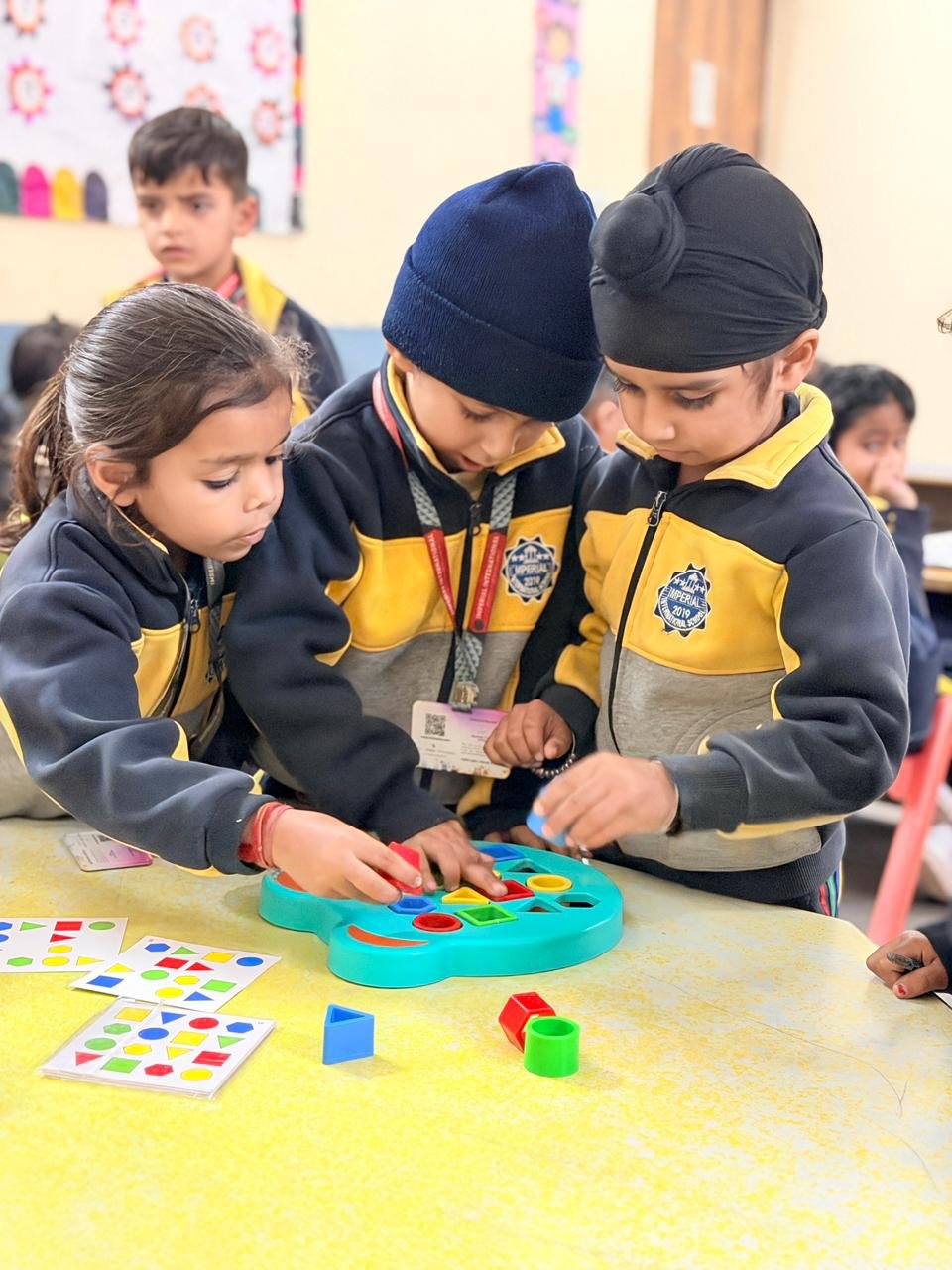
The school has a designed Play-Way Room created to support joyful, activity-based learning
for early years learners in alignment with CBSE guidelines and the emphasis on Foundational
Literacy and Numeracy (FLN). The Play-Way Room provides a safe, stimulating, and child-
friendly environment where young learners explore, learn, and grow through structured play
and hands-on activities.
The room is equipped with age-appropriate learning materials, educational toys, puzzles,
manipulatives, charts, storybooks, and activity corners that support the development of
language, numeracy, motor skills, and social-emotional competencies. These resources
encourage curiosity, imagination, and active participation, making learning enjoyable and
meaningful for children in the foundational stage.
The Play-Way Room promotes experiential and play-based pedagogy by engaging children in
activities such as storytelling, role play, music and movement, art and craft, number games,
and sensory exploration. These activities help build early literacy skills, number sense, fine and
gross motor coordination, and cognitive abilities. The learning environment nurtures creativity,
confidence, and self-expression while fostering positive learning habits.
Aligned with CBSE’s foundational stage framework and the objectives of the National
Education Policy (NEP) 2020, the Play-Way Room supports holistic development by integrating
physical, cognitive, emotional, and social learning experiences. Children are guided by trained
teachers who facilitate structured activities while allowing flexibility for exploration and
discovery.
Special emphasis is placed on safety, hygiene, and inclusivity. The Play-Way Room follows
child safety norms, uses non-toxic materials, and ensures age-appropriate furniture and
equipment. The environment is designed to be inclusive and accessible, supporting diverse
learning needs and developmental stages.
Developed in compliance with CBSE norms to support play-based, joyful learning and
foundational development emphasised in NEP 2020’s focus on early childhood care and
education, the Play-Way Room reflects the school’s commitment to quality early education. By
fostering joyful learning experiences and strong foundational skills, the Play-Way Room lays a
solid foundation for lifelong learning, academic readiness, and overall well-being of young
learners.</p>
The school has a well-designed multi-purpose Activity Room that facilitates a wide range of co-
curricular, life-skills, and enrichment activities aimed at holistic student development. The
Activity Room provides a flexible and inclusive learning space where students engage in
experiential learning beyond the traditional classroom setting, in alignment with CBSE
curriculum guidelines and holistic education practices.
The Activity Room is equipped with appropriate learning resources, activity materials, audio-
visual aids, and open space arrangements that support diverse student activities. It is used for
art and craft, creative expression, group discussions, presentations, club activities, value
education sessions, and skill-based workshops. These activities help students explore their
interests, develop creativity, and build confidence in a supportive environment.
The space promotes life-skills education by enabling activities that focus on communication
skills, teamwork, leadership, decision-making, and problem-solving. Students participate in
collaborative tasks, role plays, debates, and interactive sessions that enhance social skills,
emotional intelligence, and self-awareness. Such experiences contribute to character building
and personal growth.
Aligned with CBSE’s competency-based education framework and co-scholastic objectives, the
Activity Room supports experiential, activity-based, and inquiry-driven learning. It encourages
student participation, active engagement, and peer learning, thereby strengthening
interpersonal skills and responsible behaviour. The room also supports inclusive education by
providing opportunities for students with diverse abilities to participate meaningfully in various
activities.
The Activity Room is used for enrichment programmes, awareness sessions, celebrations, and
thematic activities that complement academic learning. These programmes help students
connect classroom concepts with real-life situations and societal values, promoting a balanced
approach to education.
Planned according to CBSE infrastructure guidelines to promote holistic, co-curricular, and life-
skills education envisioned by NEP 2020, the Activity Room reflects the school’s commitment
to holistic education and overall student well-being. By providing a dedicated space for co-
curricular and enrichment activities, the school ensures the all-round development of students,
nurturing confident, responsible, and well-rounded individuals prepared for future challenges.
The school has a dedicated Music Room designed to promote creative expression, musical
skills, and cultural appreciation among students in alignment with CBSE curriculum guidelines
and co-curricular education objectives. The Music Room provides a structured and engaging
environment where students explore music as a medium of expression, creativity, and
emotional development.
The Music Room is equipped with a variety of musical instruments, audio systems, and
learning resources suitable for vocal and instrumental training. Students are introduced to
rhythm, melody, pitch, and basic musical concepts through guided instruction and regular
practice. The availability of appropriate instruments and audio resources enables students to
develop listening skills, coordination, and performance confidence.
The Music Room supports experiential and activity-based learning by encouraging students to
participate in singing, instrumental practice, group performances, and music-based activities.
These experiences enhance creativity, concentration, and teamwork while fostering an
appreciation for diverse musical forms and traditions. Students are exposed to classical, folk,
and contemporary music, promoting cultural awareness and respect for artistic diversity.
Aligned with CBSE’s holistic and competency-based education framework, the Music Room
contributes to the development of life skills such as discipline, patience, collaboration, and self-
expression. Music activities support emotional well-being and help students develop
confidence, communication skills, and a sense of achievement. The structured music
programme complements academic learning and supports overall personality development.
The Music Room also serves as a space for preparation of cultural programmes, school
events, assemblies, and celebrations. Students receive opportunities to showcase their talents,
participate in group performances, and engage in collaborative creative work, enhancing stage
confidence and leadership skills.
Designed as per CBSE co-scholastic norms to foster creativity, cultural appreciation, and
holistic development aligned with NEP 2020, the Music Room reflects the school’s commitment
to holistic education and cultural enrichment. By integrating music education into the school
curriculum, the school nurtures creativity, cultural sensitivity, and emotional intelligence,
preparing students to become well-rounded individuals with a deep appreciation for art and
culture.
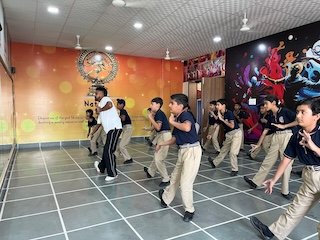
The school has a spacious and well-designed Dance Studio created to provide an ideal
environment for learning various dance forms and expressing creativity in alignment with CBSE
co-curricular education guidelines. The Dance Studio offers a safe, comfortable, and inspiring
space where students develop physical coordination, rhythm, and artistic expression through
structured movement-based learning.
The Dance Studio is equipped with proper non-slip flooring, full-length mirrors, and adequate
ventilation to ensure safety and comfort during practice sessions. The thoughtfully designed
infrastructure supports posture correction, balance, and movement precision, enabling
students to learn and practice dance techniques effectively. The studio layout allows for
individual and group practice, supporting diverse learning needs and performance preparation.
The Dance Studio promotes experiential and activity-based learning by encouraging students
to explore various dance forms, including classical, folk, contemporary, and freestyle styles.
Through guided instruction, students develop rhythm, flexibility, coordination, and body
awareness. Dance activities also help improve physical fitness, endurance, and motor skills
while fostering self-confidence and self-expression.
Aligned with CBSE’s holistic and competency-based education framework, the Dance Studio
contributes to the development of life skills such as discipline, teamwork, creativity, and
emotional expression. Students participate in rehearsals, choreographed performances, and
group activities that enhance collaboration, stage presence, and leadership skills. The studio
supports preparation for school functions, cultural programmes, assemblies, and competitions.
The Dance Studio also plays an important role in promoting cultural appreciation and
awareness. Students learn about different dance traditions and forms, helping them understand
cultural diversity and artistic heritage. Dance-based learning supports emotional well-being and
encourages positive engagement in co-curricular activities.
Developed in accordance with CBSE infrastructure norms and aligned with the objectives of
the National Education Policy (NEP) 2020, the Dance Studio reflects the school’s commitment
to holistic education and student well-being. By providing a dedicated space for dance
education, the school nurtures creativity, physical development, and cultural sensitivity,
preparing students to become confident, expressive, and well-rounded individuals.
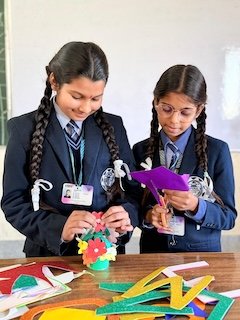
The school has a thoughtfully designed Kiddos Crafty Room created to nurture creativity,
imagination, and fine motor skills among young learners in a joyful and engaging environment.
The room supports early childhood development through hands-on art and craft activities, in
alignment with CBSE guidelines and the emphasis on holistic learning at the foundational
stage.
The Kiddos Crafty Room is equipped with age-appropriate art materials, craft supplies, tools,
and learning aids that encourage children to explore colours, shapes, textures, and patterns.
Activities such as drawing, painting, cutting, pasting, modelling, and simple construction help
children develop hand–eye coordination, concentration, and creativity. The environment is
designed to be child-friendly, safe, and stimulating, allowing children to express themselves
freely through creative work.
The room promotes experiential and activity-based learning by engaging children in structured
and guided craft activities. These activities help strengthen early cognitive skills, problem-
solving abilities, and imaginative thinking. Children learn to follow instructions, complete tasks
independently, and work collaboratively with peers, fostering confidence and social skills from
an early age.
Aligned with CBSE’s focus on foundational learning and the objectives of the National
Education Policy (NEP) 2020, the Kiddos Crafty Room supports the holistic development of
young learners. Art and craft activities are integrated with classroom learning to reinforce
concepts related to language, numbers, nature, and everyday life, making learning meaningful
and enjoyable.
Special emphasis is placed on safety, hygiene, and inclusivity. Non-toxic materials are used,
and activities are supervised by trained teachers to ensure a secure learning environment. The
room layout and resources are designed to accommodate different learning needs and
developmental stages.
Developed in accordance with CBSE infrastructure norms and NEP 2020 guidelines, the
Kiddos Crafty Room reflects the school’s commitment to quality early childhood education. By
providing a dedicated space for creative exploration, the school lays a strong foundation for
self-expression, confidence, and lifelong learning among young learners.
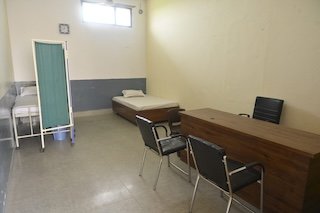
The school has a well-maintained Infirmary Room designed to provide immediate medical care,
first aid, and basic health support to students and staff during school hours. The infirmary
ensures a safe and responsive health-care environment in alignment with CBSE safety
guidelines and student welfare norms.
The Infirmary Room is equipped with essential medical supplies, first-aid kits, basic medicines,
a resting bed, and necessary equipment to manage minor injuries, sudden illness, or health-
related emergencies. Proper hygiene and cleanliness are maintained at all times to ensure a
safe and comfortable space for students requiring medical attention.
The infirmary is supervised by trained personnel who monitor students’ health needs, provide
first aid, and take appropriate action in case of emergencies. Records of medical assistance
and health-related incidents are maintained systematically, ensuring transparency and
accountability. Parents are promptly informed in case of illness or injury, and appropriate follow-
up procedures are followed.
The Infirmary Room plays a vital role in promoting health awareness, personal hygiene, and
safety consciousness among students. It supports the school’s commitment to student well-
being by ensuring timely medical care and preventive health measures. The presence of a
dedicated infirmary provides reassurance to parents and contributes to a secure learning
environment.
Aligned with CBSE norms for safety, health, and child protection, the infirmary supports the
school’s broader framework of student welfare. Emergency protocols are in place, and
coordination with nearby medical facilities is ensured for situations requiring advanced medical
attention.
Established as per CBSE safety and health norms to ensure student well-being and a secure
learning environment under NEP 2020, the Infirmary Room reflects the school’s commitment to
providing a safe, supportive, and nurturing environment. By ensuring accessible healthcare
facilities on campus, the school prioritises the physical well-being of students, enabling them to
participate actively and confidently in academic and co-curricular activities.
The school has a well-designed Open Air Theatre that serves as a vibrant platform for
assemblies, cultural programmes, performances, and experiential learning activities. The
theatre provides an open and engaging environment where students participate in academic,
co-curricular, and cultural events, supporting holistic development in alignment with CBSE
guidelines.
The Open Air Theatre is equipped with adequate seating arrangements, a raised performance
area, and basic audio-visual support to facilitate large group activities. The open setting
encourages creativity, confidence, and effective communication, allowing students to express
themselves freely in front of an audience. It serves as an ideal space for morning assemblies,
celebrations, dramatics, debates, music and dance performances, and school-wide
programmes.
The theatre promotes experiential and activity-based learning by providing opportunities for
students to participate in real-life performance experiences. Activities conducted in the Open
Air Theatre enhance public speaking skills, stage presence, teamwork, and leadership
qualities. Students gain confidence and develop social and emotional skills through
participation in group performances and collaborative events.
Aligned with CBSE’s holistic education framework, the Open Air Theatre supports co-curricular
enrichment and personality development. It also serves as a space for awareness
programmes, value education sessions, and thematic presentations that complement
classroom learning. The open environment encourages interaction, observation, and
engagement, making learning dynamic and impactful.
The Open Air Theatre is also used for national celebrations, cultural festivals, parent
gatherings, and community-oriented events, fostering a sense of belonging and cultural
appreciation. Safety measures and supervision are ensured during all activities to maintain a
secure environment for students.
Designed in compliance with CBSE infrastructure requirements to encourage experiential
learning, cultural expression, and confidence building as envisioned in NEP 2020, the Open Air
Theatre reflects the school’s commitment to experiential learning, cultural expression, and
holistic education. By providing a dedicated space for performances and assemblies, the
school nurtures confidence, creativity, and social skills, preparing students to become
articulate, responsible, and well-rounded individuals.
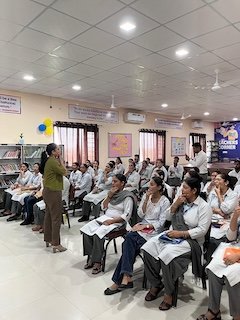
The school has a dedicated Teachers’ Training Venue designed to support continuous
professional development, capacity building, and pedagogical enhancement of its teaching
faculty. The venue provides a structured and collaborative space where educators participate in
training programmes, workshops, and academic discussions in alignment with CBSE
guidelines and teacher competency frameworks.
The Teachers’ Training Venue is equipped with appropriate seating arrangements, audio-visual
facilities, digital presentation tools, and learning resources to facilitate effective training
sessions. It is used for in-house training, CBSE capacity-building programmes, orientation
sessions, curriculum planning meetings, and professional learning communities. The
infrastructure supports interactive learning, reflection, and knowledge sharing among teachers.
The venue plays a vital role in strengthening teaching–learning practices by enabling teachers
to stay updated with the latest pedagogical strategies, assessment reforms, and curriculum
requirements. Training sessions focus on competency-based education, experiential learning,
inclusive education, classroom management, assessment practices, and integration of
technology in teaching. These initiatives help enhance instructional quality and student learning
outcomes.
Aligned with CBSE’s emphasis on continuous professional development (CPD) and the
objectives of the National Education Policy (NEP) 2020, the Teachers’ Training Venue supports
teacher empowerment and lifelong learning. Educators engage in collaborative planning, peer
learning, mentoring, and reflective practices that contribute to professional growth and
academic excellence.
The venue also supports training related to student safety, child protection policies, health and
wellness, and ethical practices. Regular workshops and sessions ensure that teachers are
well-prepared to address diverse learner needs and maintain a safe and supportive school
environment.
Developed as per CBSE guidelines to support continuous professional development and
pedagogical excellence aligned with NEP 2020, the Teachers’ Training Venue reflects the
school’s commitment to quality education through skilled and motivated educators. By
providing a dedicated space for teacher training and development, the school ensures
continuous improvement in teaching standards, fostering a culture of excellence, innovation,
and professionalism across the institution.
The school has a dedicated Counselling Room designed to provide emotional, academic, and
behavioural support to students in a safe, confidential, and supportive environment. The
counselling facility plays an important role in promoting student well-being, mental health
awareness, and positive school climate, in alignment with CBSE guidelines and student
support frameworks.
The Counselling Room offers a calm and private space where students can seek guidance
related to academic challenges, emotional concerns, peer relationships, and personal
development. Counselling sessions are conducted by trained and qualified personnel who
follow ethical practices, confidentiality norms, and child protection policies. The environment is
designed to be welcoming and non-judgmental, encouraging students to express themselves
openly.
The counselling programme supports students in developing self-awareness, resilience,
emotional regulation, and decision-making skills. Individual and group counselling sessions
help students manage stress, improve focus, and build healthy coping strategies. The
Counselling Room also supports career guidance, goal setting, and transition planning for
senior students, contributing to informed academic and career choices.
Aligned with CBSE’s emphasis on student well-being, life skills education, and holistic
development, the counselling facility complements academic instruction by addressing
students’ social and emotional needs. The room is also used for awareness sessions on
mental health, emotional well-being, safety, and positive behaviour, promoting a balanced
approach to education.
The Counselling Room facilitates structured interaction between counsellors, students,
teachers, and parents when required, ensuring a collaborative approach to student support.
Records are maintained systematically, and referrals to external professionals are made when
necessary, following established protocols.
Developed in accordance with CBSE safety and welfare norms and aligned with the objectives
of the National Education Policy (NEP) 2020, the Counselling Room reflects the school’s
commitment to nurturing the overall well-being of students. By providing a dedicated space for
counselling and guidance, the school ensures a supportive environment that enables students
to thrive academically, socially, and emotionally.
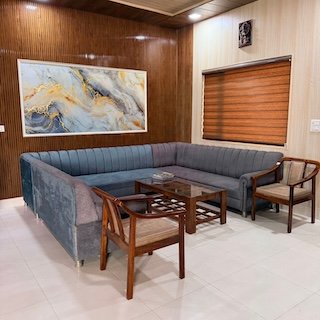
The school has a dedicated Parents–Teachers Talk Room designed to facilitate structured,
meaningful, and confidential interaction between parents and teachers. The room provides a
professional and welcoming environment that supports effective communication, collaboration, and
partnership in a student’s academic and overall development, in alignment with CBSE guidelines.
The Parents–Teachers Talk Room is equipped with appropriate seating arrangements and a calm
setting to ensure focused and constructive discussions. It is used during scheduled parent–teacher
meetings, academic reviews, counselling interactions, and individual consultations. The dedicated
space ensures privacy and minimizes distractions, enabling open dialogue and mutual
understanding between parents and educators.
The room plays an important role in strengthening home–school collaboration by providing parents
with regular updates on academic progress, learning outcomes, behavioural development, and co-
curricular participation. Teachers use the space to share assessment feedback, discuss learning
strategies, and address individual student needs. This collaborative approach helps in identifying
strengths, areas for improvement, and appropriate support mechanisms.
Aligned with CBSE’s emphasis on continuous assessment, student-centric education, and parental
involvement, the Parents–Teachers Talk Room supports transparency and shared responsibility in
the learning process. Constructive interactions contribute to timely intervention, personalised
guidance, and enhanced student performance.
The room also facilitates discussions related to student well-being, attendance, discipline, and
career guidance when required. Teachers and school counsellors may use the space for joint
meetings with parents to ensure a holistic understanding of a child’s development. Proper records
of meetings are maintained to ensure continuity and follow-up actions.
Structured as per CBSE infrastructure standards to strengthen school–parent partnership and
collaborative learning aligned with NEP 2020, the Parents–Teachers Talk Room reflects the
school’s commitment to inclusive, participatory, and transparent education practices. By providing a
dedicated space for parent–teacher interaction, the school fosters trust, cooperation, and shared
engagement, creating a supportive learning ecosystem that benefits students academically,
socially, and emotionally.
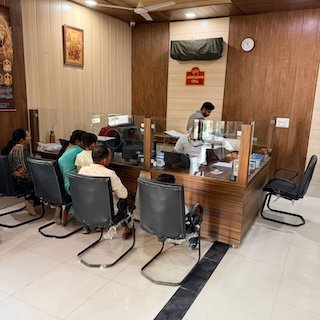
The school has an interactive Mathematics Lab designed to promote conceptual clarity, logical
reasoning, and analytical thinking through hands-on activities and real-life problem-solving
approaches. The lab provides a dynamic learning environment where students explore
mathematical concepts beyond textbooks, enabling deeper understanding and long-term
retention of learning.
The Mathematics Lab is equipped with a wide range of teaching aids, models, charts,
manipulatives, and activity-based learning materials aligned with the CBSE curriculum. These
resources help students visualize abstract mathematical concepts such as numbers, geometry,
algebra, and data handling. Through structured activities, learners are encouraged to discover
patterns, understand relationships, and apply mathematical principles in practical situations.
The lab supports experiential and competency-based learning by engaging students in
individual and group activities that promote active participation. Students solve real-life
problems, conduct mathematical experiments, and participate in hands-on tasks that
strengthen problem-solving, reasoning, and decision-making skills. This approach enhances
confidence and reduces math anxiety by making learning enjoyable and meaningful.
Aligned with CBSE learning outcomes and assessment guidelines, the Mathematics Lab
encourages inquiry-based learning and critical thinking. Students are guided to analyze
problems, formulate strategies, test solutions, and justify their reasoning. Collaborative
activities promote communication skills, teamwork, and peer learning, reinforcing key
mathematical concepts through discussion and reflection.
The Mathematics Lab also supports interdisciplinary learning by connecting mathematical
concepts with science, social science, economics, and everyday life situations. This integration
helps students recognize the relevance of mathematics in real-world contexts and develop
practical application skills essential for higher education and competitive examinations.
Developed as per CBSE guidelines to nurture conceptual understanding, logical reasoning,
and competency-based learning aligned with NEP 2020, the Mathematics Lab reflects the
school’s commitment to quality education, experiential learning, and holistic development. By
fostering conceptual clarity, logical thinking, and problem-solving abilities, the lab prepares
students to approach mathematical challenges with confidence and competence in academic
and real-life scenarios.
The school provides hygienic, well-maintained washroom facilities designed to ensure the health,
safety, dignity, and comfort of all students and staff members. Special provisions are made to
support Children With Special Needs (CWSN), ensuring accessibility, inclusivity, and ease of use in
accordance with CBSE infrastructure norms and statutory safety guidelines.
The washrooms are designed with age-appropriate fittings, proper ventilation, adequate lighting,
and non-slip flooring to ensure safe usage. Regular cleaning and sanitisation schedules are strictly
followed to maintain high standards of hygiene and cleanliness throughout the school day.
Continuous water supply and efficient drainage systems are ensured to provide uninterrupted and
safe facilities for daily use.
Dedicated CWSN-friendly washrooms are equipped with accessibility features such as ramps,
handrails, wider doors, low-height fixtures, and easy-to-use fittings. These features enable students
with physical challenges to use the facilities independently and with dignity. Clear signage and
barrier-free access further support inclusive infrastructure planning within the school campus.
The school places strong emphasis on health, hygiene, and personal cleanliness through regular
monitoring and awareness initiatives. Students are guided on proper hand hygiene, water
conservation, and responsible use of washroom facilities under teacher supervision. Soap
dispensers, handwash stations, and waste disposal systems are adequately provided to promote
healthy habits and prevent the spread of infections.
Safety measures are an integral part of washroom management. The facilities are regularly
inspected by designated staff to ensure cleanliness, functionality, and safety compliance.
Emergency support systems and staff assistance are readily available to address the needs of
younger children and CWSN learners when required.
Developed in compliance with CBSE sanitation and safety norms to ensure dignity, hygiene, and
student well-being under NEP 2020, the hygienic washroom infrastructure reflects the school’s
commitment to student welfare, inclusivity, and a safe learning environment. By providing clean,
accessible, and child-friendly sanitation facilities, the school ensures a supportive and dignified
environment that contributes positively to students’ health, well-being, and overall school
experience.
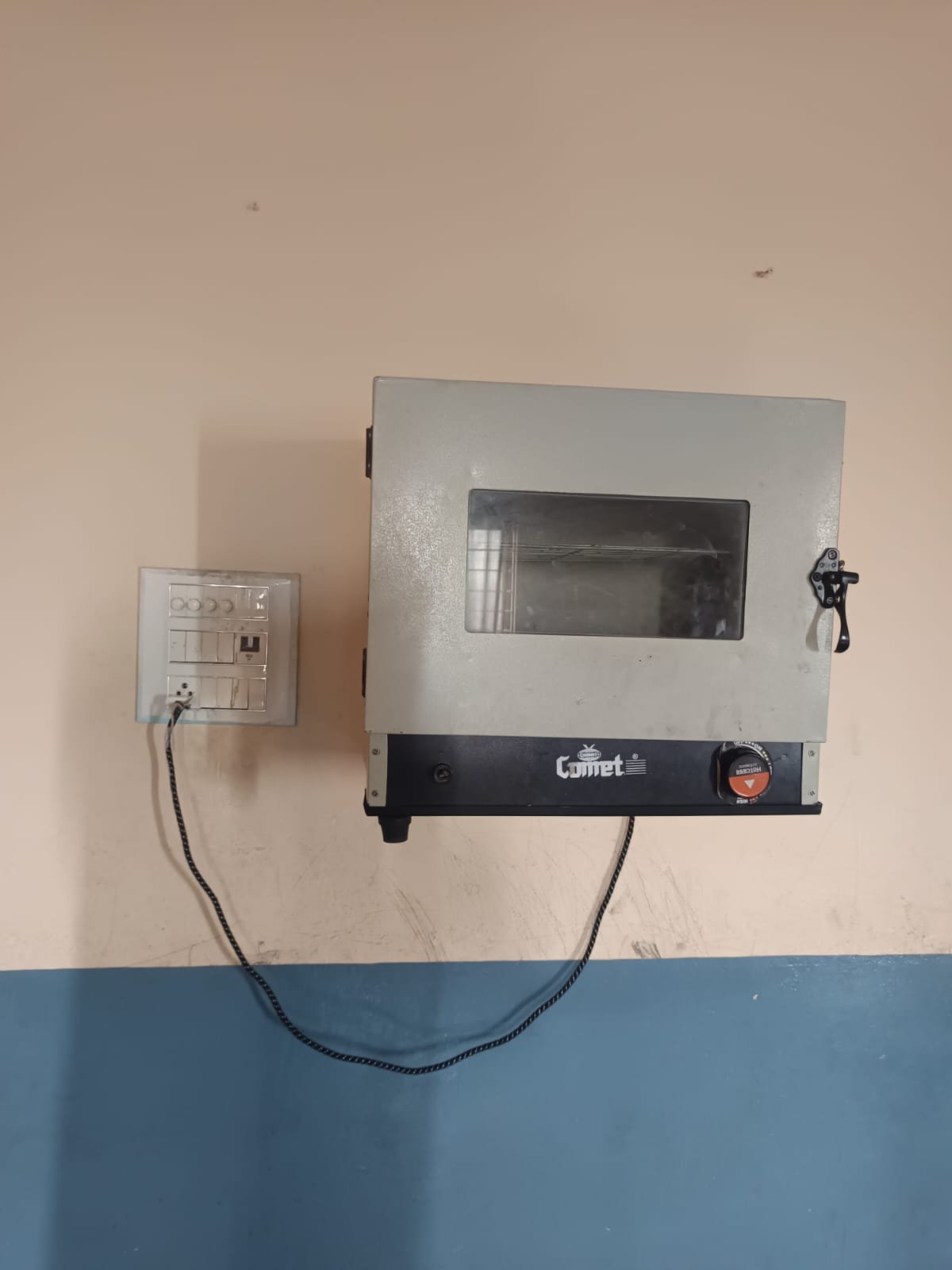
The school provides a dedicated Food Warmer Facility to ensure that students are able to
consume hygienic, fresh, and warm meals during school hours. This facility supports student
health, nutrition, and well-being, in alignment with CBSE guidelines on student welfare and
safety.
The Food Warmer Facility is designed to safely store and warm home-packed meals brought
by students. Proper heating equipment is used to maintain appropriate food temperatures while
preserving nutritional value. The facility is managed under strict hygiene and safety protocols to
ensure clean handling and storage of food items.
Special attention is given to cleanliness, sanitation, and safe usage practices. The food
warming area is regularly cleaned and monitored to prevent contamination. Students are
guided on safe and responsible use of the facility under staff supervision, ensuring an
organised and secure process during meal times.
The Food Warmer Facility is especially beneficial for younger students, ensuring that they
receive warm and wholesome meals, which supports concentration, comfort, and overall well-
being during the school day. The availability of this facility contributes to a supportive and
caring school environment.
Aligned with CBSE norms related to student health, hygiene, and safety, the facility forms part
of the school’s comprehensive approach to student care. It complements other health and
welfare facilities such as hygienic washrooms and the infirmary.
Established as per CBSE health and safety guidelines to support student nutrition and well-
being aligned with NEP 2020, the Food Warmer Facility reflects the school’s commitment to
providing a safe, nurturing, and student-friendly environment. By ensuring access to warm and
hygienic meals, the school supports healthy eating habits, physical well-being, and a positive
school experience for students.
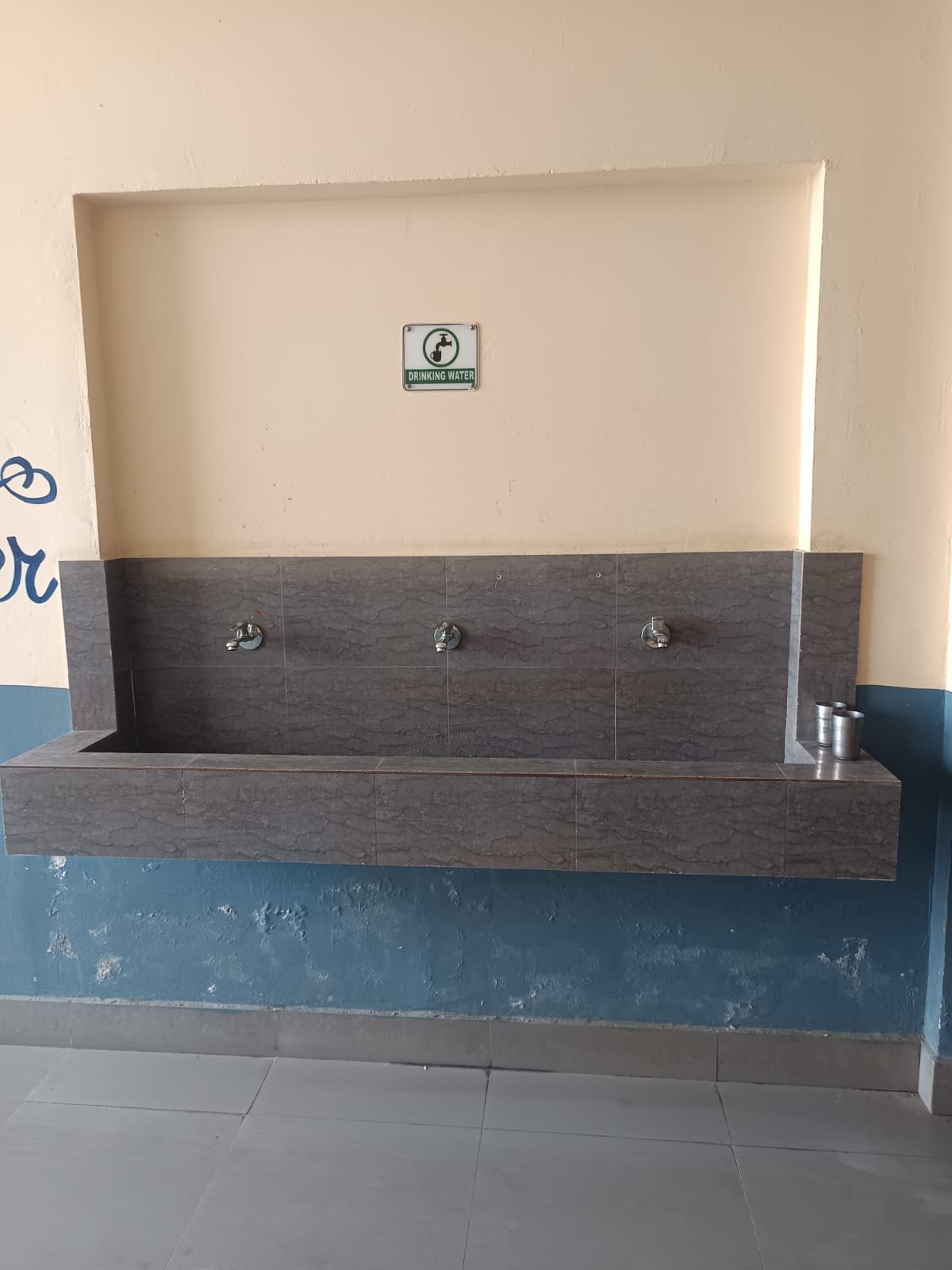
The school provides a safe and reliable Weather-Adaptable Purified Drinking Water Facility to
ensure continuous access to clean and safe drinking water for students and staff throughout
the year. The facility supports student health, hydration, and well-being, in accordance with
CBSE guidelines on school sanitation and safety.
The drinking water system is equipped with advanced water purification units that ensure the
supply of potable water meeting prescribed safety standards. The facility is designed to adapt
to seasonal variations, providing appropriately cool or normal temperature drinking water
depending on weather conditions. This ensures comfort and hydration for students during both
hot and moderate climatic conditions.
Regular maintenance, quality checks, and sanitation protocols are followed to always ensure
water purity and hygiene. The school conducts periodic cleaning of water storage tanks, filters,
and dispensing units. Water quality is monitored to ensure compliance with health and safety
norms, ensuring safe consumption for all users.
The drinking water points are strategically located across the campus for easy accessibility.
Student-friendly fixtures and adequate number of water outlets help prevent overcrowding and
ensure smooth access during breaks. Proper supervision and guidance are provided to ensure
responsible use of the facility.
Aligned with CBSE norms related to health, hygiene, and student welfare, the drinking water
facility supports a safe and conducive learning environment. The school also promotes
awareness about hydration, cleanliness, and healthy habits through regular sensitisation
programmes.
Provided in accordance with CBSE health norms to ensure safe hydration and student welfare
as prioritised in NEP 2020, the Weather-Adaptable Purified Drinking Water Facility reflects the
school’s commitment to student well-being and sustainability. By ensuring uninterrupted access
to safe drinking water, the school fosters healthy living practices and provides a supportive
environment where students can learn and thrive comfortably throughout the year.
The school has a dedicated Yoga and Meditation Zone designed to promote physical fitness,
mental well-being, and emotional balance among students. This facility supports the holistic
development of learners in alignment with CBSE guidelines and the objectives of the National
Education Policy (NEP) 2020, which emphasise health, wellness, and life skills education.
The Yoga and Meditation Zone provides a calm, clean, and well-ventilated environment
conducive to regular practice. The space is used for yoga sessions, breathing exercises,
meditation, and relaxation techniques under the guidance of trained instructors. These
activities help students improve flexibility, strength, posture, and coordination while enhancing
concentration and self-discipline.
Regular yoga and meditation practices contribute to stress management, emotional regulation,
and mental clarity. Students learn techniques that help them remain calm, focused, and
resilient in academic and daily life situations. The zone also supports mindfulness practices
that encourage self-awareness, positive thinking, and emotional well-being.
Aligned with CBSE’s emphasis on physical education, health education, and life skills, the
Yoga and Meditation Zone integrates wellness practices into the school routine. Group
sessions and guided activities promote discipline, consistency, and healthy lifestyle habits
among students. The facility supports inclusive participation, catering to students of different
age groups and physical abilities.
The Yoga and Meditation Zone is also used for wellness programmes, awareness sessions,
and activities related to mental health and stress management. These initiatives complement
academic learning by supporting students’ overall well-being and personal development.
Developed in accordance with CBSE infrastructure norms and aligned with the vision of NEP
2020, the Yoga and Meditation Zone reflect the school’s commitment to nurturing healthy,
balanced, and confident individuals. By providing a dedicated space for yoga and mindfulness
practices, the school fosters a culture of wellness, inner discipline, and holistic growth, enabling
students to achieve academic excellence while maintaining physical and mental well-being.